

Category Archives: For New Preppers

Why Shouldn’t I Depend On The Internet For Prepping?

I know this might sound really odd for someone who is blogging and producing YouTube videos about preparedness to say, but depending strictly on the internet is a game of chance for preppers and one we will regret if many of the disasters we are prepping for come to pass.

Why Shouldn’t I Depend on The Internet?

It’s Really Easy To Forget How Quickly We Can Lose These!

How often have we been right in the middle of the video on our laptops or trying to download a file and everything just stops? It’s almost a daily occurrence if we depend on wireless data connections and still fairly common if we are using a wired connection to a land line of some kind. These inconveniences can be aggravating, but we know it will start working again soon. All we have to do is reconnect or turn the router off and back on again. Problem solved, until it doesn’t work.

Much like all of the other infrastructure we take for granted, especially in highly developed countries, the internet is very susceptible to major catastrophes. Consider what it takes to actually use the internet. First you have to have a device with battery power or access to an outlet with power. You can probably get by with some solar charging for a little while, but when something gets the power lines, it can also get telecommunication lines as well, plus they all require power to operate too. No fear, you have wireless data service, but wait! The towers boosters are powered by electricity and that’s only if they are still standing after a massive disaster.

All of the problems mentioned in the paragraph above are potential issues in multiple scenarios, however there are even more issues with depending on the internet Consider countries such as North Korea where the government has blocked information and access to the internet to its citizens. I know I would hate to lose access to all my digitally stored knowledge because Uncle Sam flips the switch. Also there are issues that can damage electronics in general. Ever heard of an EMP? I’ll do a detailed post about them soon, but its basically a huge pulse of electromagnetic energy that can destroy electronic items. If you want to have a backup radio or other electronics survive a massive EMP, grab a Faraday bag or two by clicking the picture below. It’s also great to keep at least one of our digital storage devices in to protect the information stored on them.

I know that I recommend having a thumb drive with all of our documents and pictures on in my recent post on evacuation and that seems odd given my warnings here, however I am not worried about financial or insurance information if we are in a long term survival situation. The things we need to reference for daily survival don’t need to be just web based. We have become accustomed to asking “Siri” how much bleach to use to disinfect drinking water or what plants are edible. We are susceptible to taking our instant internet access to information for granted.

How Should I Store My Prepping Information?

There are a couple of reasonably good ways to keep up a library of knowledge with minimal chance of loss, however none are perfect. I’ll note here that the absolute best way to store our knowledge is in our memory, but this takes time and repetition of the material to remember. The best way to remember information is to use it in practical function on a regular basis. Forage for wild edibles each season. Distill and disinfect your own water on a regular basis. If you don’t have a garden, buy some fresh produce from the store or a farm stand and can some of it each harvest season. These are the ways we can retain the most information, however there’s not enough time in our days to mentally master all of the things we may need to know, so the following are backup and reference storage methods. If possible, we should try to have critical information stored both ways.

Digital Storage

I know I just mentioned the issues that are possible with electronics and internet based data, however if we plan ahead by storing a digital copy and some means to access the information in one of the EMP resistant bags or boxes like those I linked above, we have fast access to them as long as we can power the device on which they are read or stored. While few of us can swing the price of a laptop to leave in our safe in a Faraday Bag, most of us have at least one old smartphone that we have retired. Connect the the device to the internet via WiFi and download documents or use the scan or camera feature to take pictures of printed media for storage. Whatever device you choose should be able to be powered by a battery and should have a dedicated charging cord and 12 volt charging adapter stored in the bag with it. Click on the picture below for a multi function charging cord for your devices.

Storing Information in Written Form

There’s not much more reliable than the written word. We have knowledge that has been retained for centuries in libraries and archives and even further back if we consider hieroglyphics and cave paintings found throughout the world. Books do have a few drawbacks, however. When physical space is limited, books can be cumbersome to carry and do require a bit of care. I’d like to offer a couple of ideas to help streamline our physical prepping libraries to make sure we limit the exposure of our information to damage by water, fire, insects, or mold.

Consolidate Information: Most books contain much more non critical information than critical. By making a habit of photocopying sections of books with important information and clipping articles from magazines we can reduce the clutter and bulk of our information.

Print Online Information: Copyright laws exist to keep us from profiting off the works of others. I personally feel that by providing free access to the information on this blog via internet, that if you want to print off these articles for your personal use to store in a binder, you are welcome to. Some posts may have lots of technical information, where others may be a product review or broad discussion that really isn’t full of crucial information once a disaster has struck. Check other sites and message boards as well, but always verify that the information is legitimate before you trust your life and well being to it.

Paper Document Storage: Most of the research I have done on storing papers long term centers around storing a book collection. While protecting rare and valuable books is likely overkill for our storage needs, much of the advice is helpful. The enemies of paper are moisture, organisms, and mold. Getting paper wet obviously damages it. Rodents love paper because its easy for them to chew up for nesting material. Insects eat and nest on the paper and in the binding materials. High humidity can cause fungal growth on books. To limit these issues, store critical printed documents in plastic containers with some form of desiccant to remove the humidity. If you have a safe or vault that you can put in an area with a moderate temperature and humidity, placing the container inside can add an additional level of security from damage. You can also cache your information along with other supplies in waterproof storage tubes. These can be placed in multiple locations so you have several back up sources if your main storage location is damaged or compromised. Click the pictures below for desiccant material and waterproof storage tubes. Consider adding a thumb drive with your digital information in a Faraday bag to your caches as well!

Desiccant Packets:

Waterproof Storage Cache:

Books for Preppers

I will add book reviews on the site as I have an opportunity to read and review the information, but in the mean time, click the link below and take a look at the information contained in The Lost Ways book. You might find it useful and it’s a great deal!

Disclaimer: I am an Amazon affiliate and may make money off qualifying purchases.
What Kinds of Food Should I Store For a Disaster?

Emergency Preparedness Food

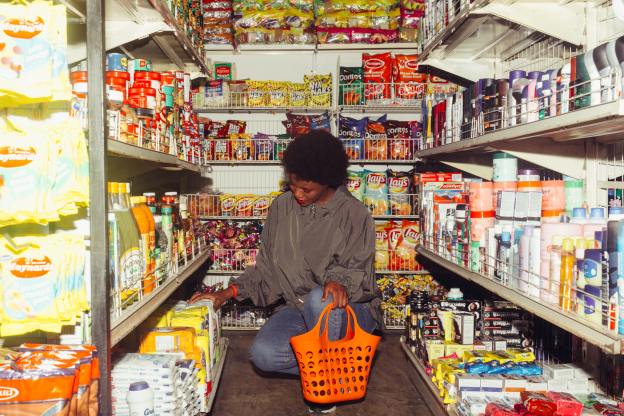
Here in the southern United States, we have our quirks. One humorous stereotype that we seem to prove true time after time is the mad rush on milk and bread every time the weather man threatens ice or snow. While I think its fair to say that the charcoal and meat sections get some attention as well as the beer cooler, you can always tell the gravity of the snow and ice predictions by the shelves in the bread and dairy isles. Another example of a product shortage recently occurred and was not limited to any one area of the nation. As the concern about COVID-19 reached a feverish level, the most primal behavior came out in many people over toilet paper. While I have yet to hear of any side effect of the virus causing such a tremendous need for toilet paper, we can see just how easily supplies can be wiped out over the most unfounded panics. With that in mind, consider the situation we might face after a major disaster or disruption. Some consideration to how food gets to your local supermarket or Walmart can help you understand how a disruption in supply is caused by just a weather report. Imagine the difficulty of getting stores supplied during or after a disaster, especially with major power outages or road closures. This is just one part of basic preparedness. You can read more about the basics on my post here.

Now that we have considered how easily we can disrupt the food supply, we also need to consider how long it will be before the stores will reopen and/or be restocked. This adds to the concerns for preparedness. The amount of stored food we have as well as the shelf life and storage needs can make the difference between running low and being relatively comfortable in a situation.

A friend of mine in central Mississippi noted that for the first several days after Hurricane Katrina passed through, everyone in many areas had gone through all of their frozen foods because they had no power to keep them frozen. We need to make sure we consider storage requirements when we plan for food preps. I’ll add other posts on potential refrigeration means in a power outage later on.

Best Emergency Preparedness Foods

As we get started thinking and studying about prepping our pantries, many of us get caught up in the “survival food” groove. By this I mean the tendency to stock up on all the latest M.R.E. meals or learn how to make our own pemmican and hard tack. Those are longer term skills and may become useful at some point, however as new and busy preppers, we can focus our efforts on food that is less labor intensive to produce, store and prepare. If you are interested in some of the old ways people prepared and stored food, you can join my email list and get a great offer on a good book called The Lost Ways by clicking the picture below.

What Are The Easiest To Store Prepper Foods?

In my attempt to learn and share the basics of preparing on this blog, I like to start out with the simplest options for all of us to start. I think the following food preps are some of the fastest and most practical for most of us who don’t have the time and money to invest in the home made methods right now.

Canned Food: From the early 1800’s we can trace the canning of foods to prevent spoilage. The original canning process used glass bottles or jars and is still in use today. My parents, who grew up on farms and now hobby farm in retirement, just completed canning of this year’s crops just in time for the last jars from last year to be used up. Canning our own foods can be rewarding, but it is time consuming. The commercially canned foods that are available at the local supermarkets are a great prepping alternative. They are well packaged and usually have some added preservatives to help their shelf lives run longer with less concern for spoilage.

Some canned food examples to keep on hand are:

Canned vegatables

Canned Fruits

Canned Soups

Jars of Peanut Butter

Jars off Spaghetti Sauce

Even Canned Bread!

Dry Foods: Many dry foods are available for long term storage. We can purchase and store dry ingredients such as flour, sugar, salt, sugar, and cornmeal, however preparing meals from scratch takes time and effort we might not want to deplete in a disaster scenario just to eat. Modern packaging and preservatives have made many foods available in a dry or dehydrated form that can last years in storage and be easily prepared with the addition of water and a few other ingredients. Many of these dry meal mixes are compatible with canned meats and produce to produce a filling and tasty meal without requiring much prep work or many appliances. Some good dry foods to have in stock are:

Dried Pasta

Powered Milk

Instant Grits/Cream of Wheat

Oats/Instant Oatmeal

Rice

Meal Kits (Tuna Helper, Hamburger Helper, Jambalaya, etc.)

Macaroni and Cheese

Ramen Noodles

Instant Coffee

Frozen Foods: I’ll do a post soon on ways to keep refrigerated food from spoiling in a power outage so, for the purposes of this post, we will consider for this article that we have plans to keep our frozen food from spoiling until we can use it up. Freezing is a great way to store cooked meals and casseroles for longer times than we can keep them in just a refrigerator. Another benefit of freezing is that we are able to keep uncooked meats and vegetables for longer periods of time as well. The main survival foods to consider for the freezer are meats, frozen meals and vegetables, many of which can be added to either canned or dry foods to add variety to the menu. Be prepared to prioritize and have some meal plans and recipes handy to make the best use of frozen food resources before they spoil.

Suppliments: In our hurried fast food culture we often lack the dietary benefits of eating enough fresh fruits and vegetables. This can be especially hard if we are forced to eat only the food we have stored so it is a good idea for us to have some nutritional supplements to add to our diet to maintain intestinal and overall health. Try using a mix like this to add to your diet.

How Long Will My Survival Food Last

While the shelf life of food varies, we do have the benefit of knowing the “best by” dates on the store-bought items we add to our prepper pantries. Foods that we freeze or can at home ourselves depend on the quality of our preparation to last so it is based heavily on our experience to determine the safe storage life of the food. With that in mind, we should have a plan to rotate our stock. FIFO is a manufacturing acronym that was created for logistics in warehouses and manufacturing plants and stands for “first in, first out.” This should apply to our pantry rotation as well. As we replenish products in storage, we should make sure that the older cans and boxes of the item in question are next in line to be used. There are ready made racks for cans that help with this as well as plans online to build a pantry system that helps us to rotate stock automatically. You can take a look at or purchase one below:

What Are The Top Food Considerations For Emergencies?

If we are storing food that we have to survive on for a potentially extended period and we know that we have to rotate this stock to keep the food fresh and safe, then It stands to reason that we should purchase food we would eat anyway. If I won’t normally eat English peas, then there’s no good reason to stock up on them for an emergency. Our pantry should be full of the goods we use regularly and we should use and replenish them constantly for inventory freshness. We should also consider the size of the cans and boxes of food we purchase. It’s tempting to run to Costco and purchase our vegetables and fruits in gallon cans because of the economy of bulk purchasing, however, without refrigeration, whatever is not consumed in a relatively short time will spoil and be wasted. Consider how many mouths you expect to feed in your most likely scenarios and buy in packaging that will fit the need per meal or day. The other considerations to pay attention to are food allergies and special nutritional requirements. Look closely at what you purchase to make sure its adequate nutritionally and non reactive to you and your family’s health.

Disclosure: I am an Amazon affiliate and make money on qualifying purchases.