

Category Archives: Uncategorized

Top 7 Prepper and Survival Myths That Can Get You Killed

The world is full of information on every subject imaginable and it is all just a click away. I mentioned our reliance on the internet and some of the possible problems in a blog post Here, but it’s not just the internet that can give us bad or unproven information. Even the old “rules of thumb” that have been handed down from our ancestors need to be looked at with equal scrutiny. The advances we as humans have made in the last 100 years in science and medicine are almost unbelievable. Each day researchers are digging deeper into all types of information and finding new and better solutions to problems we would have addressed entirely differently just a few years ago. Many of the myths that are still being spread came from a time where less was known or from a singular event where luck was on the side of the person who experienced the cure or result that spawned the advice.

One of the best ways to avoid these potentially lethal mistakes is to keep up to date on the most modern survival methods. I recommend purchasing a book that you can keep in your vehicle, home, and go/bug out bag as a reference, but don’t wait until you need to it get familiar with the information. Click the picture below for one of the books that I carry in my bug out bag:

Top 7 Survival Myths That Can Kill You

I’ll divide these into a few categories and list a few in each. I’m confident that this will continue into other posts and videos as time goes on and I learn more about the proper way to handle situations where survival and prepping is concerned.

Animal Attack Survival Myths

Sucking Venom From a Snake Bite: This is the subject of continuous debate among survival minded individuals. I personally have a Sawyer extractor kit that is supposed to be used to remove venom from a bite site. It may or may not be the answer to reducing the spread of venom, however cutting yourself and attempting to suck out poison with your mouth is not a good idea. Cutting or puncturing our skin leaves us open to additional infection with no real reason. The time and risk spent trying to cut and suck out venom would be better spent keeping the bite below heart level and removing any constricting clothing or jewelry near the site of the bite. Trying to stay calm and get to a medical facility is paramount. If you are waiting for help and want to try to extract poison, you can get an extractor by clicking the picture below.

Playing Dead To Survive A Bear Attack: While I have never been in the vicinity of bears, I have heard this over and over. While I am no authority on bear attacks, the writers at Field and Stream magazine have probably had plenty of experience and their recommendation is based on the breed of bear. Grizzly attacks in the daytime are usually a response to an invasion of territory. If you are unarmed, the writers recommend playing dead in hopes that the bear will realize you aren’t a threat and not attack or continue to attack you. A black bear, on the other hand, is more likely to attack as a predatory response. Fighting back or being aggressive can keep us of the menu! For those who aren’t inclined to carry a large enough caliber firearm to stop a bear attack, you can click the picture below for some bear spray that might give you a fighting chance.

Food And Water Survival Myths

Water Purification Myth: Flowing or Rushing Water Is Safe To Drink: We’ve all seen the movies of the cowboys kneeling to drink from the flowing mountain creek or sharing a sip from the pail and dipper on the front porch of the farmhouse and in those long-ago days it was common to hydrate that way. In modern times we have a few issues to deal with. One is that we are always “drinking downstream from the herd” when sourcing water in the wild. The number of humans and animals on the planet along with the various pollutants that have been released over the decades makes any surface water suspect. Another concern is our lessened immunity to waterborne bacteria and viruses. We have had our water sanitized so well that some of the immunity of our ancestors is likely gone. If you have to hydrate without sterilized water you should use a filter like the one below. Click the picture to get one.

Food Survival Myth: Eat All You Can if You Find A Food Source: It sounds like a great idea to pack on the calories whenever you find a source of food but this isn’t a good time to be a glutton. The longer we have gone without eating, the more gradually we have to eat to keep from upsetting our stomachs. Getting sick and vomiting is a guaranteed way to lose any food you have already eaten as well as hydration that you can’t spare in a survival situation. I have mentioned them before, but click the survival rations below to get some inexpensive pack-able food that can save you from having to gorge on whatever you find.

Navigation Survival Myths

Navigation Myth: Moss Always Grows On The North Side Of Trees: Moss can grow on any side of a tree, depending on the circumstances. This generally accepted rule of thumb is based on the idea that trees in the northern hemisphere get more sunlight on the south side because of the angle of the sun. The myth takes upon itself to assume that all trees are in the path of equal sunlight each day. The topography of the land is much more important to the way vegetation grows around trees than the compass orientation. A quality compass is the best way to navigate, however you can pick up some other tips by clicking on the book below.

Survival Shelter Myths

Shelter Myth: I Should Build my Shelter Near Water: Hydration is one of the maxims that any survivalist or prepper focuses on and preaches all of the time so setting up camp near a water source makes sense to us. Camping near a creek or river as a planned vacation can be fun, however when we are facing a survival situation and have limited resources, we have to put much more thought into the placement of our shelter. In many areas, flash floods can raise water levels by feet in a matter of just a few hours and destroy our shelter or worse, trap us in it. Another factor that should steer us away from survival sheltering close to water is the insect and wildlife activity near water at night. Avoiding hungry critters when they are eating and drinking is a pretty good survival plan by all accounts.

Shelter Myth: It’s Warm, I Don’t Need Shelter or a Fire: While the temperatures might not dictate that we have a heavily insulated shelter with a roaring fire to survive, there are still some benefits to consider. We can get wet from rain, dew, and perspiration as well as crossing or falling into water. Cotton clothing that we commonly wear is notorious for holding moisture and as soon as the sun sets, it can turn into an air conditioner on our skin. Whenever possible we should make every attempt to dry our clothing and skin so we don’t loose valuable energy trying to keep warm. Fire and shelter can also fend off wildlife and insects that make our survival situations much more miserable than they already are, not to mention the psychological boost that having a fire is to our mental health. I recommend having multiple fire starting methods including disposable lighters and fire starters like the one you can get by clicking the picture below.

Final thoughts On Survival and Prepping Myths

There are always exceptions to every rule and there is no way to catalog every possible survival situation. With that in mind, weigh out the best choices for you in your situation. A stupid idea that works isn’t all that stupid, at least in that particular case. In life we gamble daily that we can avoid injury or death. The more information we have at our disposal, the more educated of a decision we can make. If all you have is a rule of thumb or ancestral advice to go by, combine that with common sense and knowledge to make as good a decision as possible.

Disclosure: I am an Amazon affiliate and I make money on qualified purchases.
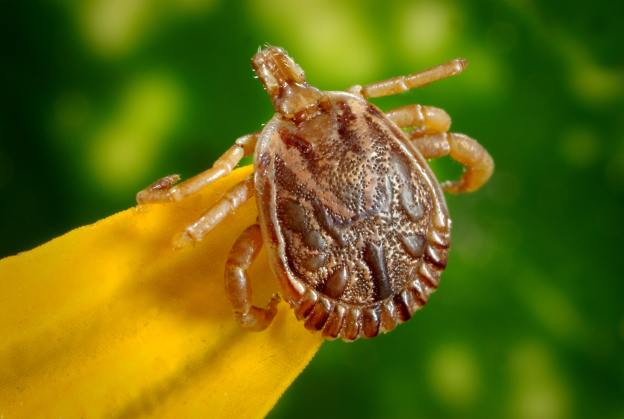

How Do I Protect Myself From Ticks and Other Insects?

Why Should We Worry About Ticks and Other Insects?

In my late 20’s I got what I was certain was one of my regularly scheduled quarterly sinus infections. Symptoms were textbook for me, a little tired and run down one evening, woke up the next day stuffy with a cloudy head, the next day sinuses started draining and causing chest congestion. Off to the Urgent Care for a Z-pack and a steroid shot. After several more days with no sign of improvement, I was considering going back to the doctor for another round of antibiotics when i noticed some tingling in my feet and hands. I ignored it and tried to get some rest. That evening I woke up around 11 pm and was unable to walk and barely able to use my hands. I also had red spots all over my feet and legs. I got someone to take me to the Emergency Room where the doctors at first wanted to send me home and refer me to a dermatologist. After my less than polite objection, they involved a few more doctors and came up with a diagnosis. I had Rocky Mountain Spotted Fever from a tick bite that was hardly noticeable. After conferring with the infectious disease specialist, I was told that the tingling feeling was actually paralysis setting in on my extremities and within 24 to 48 more hours, without treatment, it would have paralyzed my internal organs and killed me.

While my story isn’t very common, adding the other tick borne illnesses such as lyme disease as well as the multiple mosquito transmitted illnesses to the pot makes it important to consider insect repellent to your list of prepping items. Beyond the actual illnesses, insect bites are a potential infection site as well as just plain irritating. If you have never gotten a good case of “chiggers” on you, consider yourself among the fortunate.

What Can I Use Protect Myself From Insects?

I will divide insect repellent into two types for the purpose of this blog post. The first type is the wearable repellent. The other is the stationary repellent. Some types will overlap the two and I’ll point that out.

Wearable Insect Repellents

It’s not officially summer here in the South until you smell the strong scent of “Deep Woods Off” on every kid playing in the yard. My daughter is an absolute buffet for mosquitoes if she so much as steps outside without repellent on so she gets fogged with spray on any exposed skin. Wearable repellents let you take the repellent with you as you go and are the best choice if you are on the move, so consider these for vehicle and bug out bags. There are lots of choices today and some may fit our needs more than others, so consider this another “mission dependent” item and consider having a few different choices available. If you are interested in what else you might want to consider for your go bag or bug out bag, take a look at my post here.

Deet Repellent Sprays: Developed in the mid 1940’s for use by the United States Army, Deet is a chemical compound that confuse an insect’s olfactory senses and “blind” them to the substances in human sweat and breath that attract the little blood suckers to us in the first place. While it works great at keeping you from being a bug’s dinner, we have to be careful when we apply Deet repellents. It can act as a solvent and is destructive to some plastics and coatings. If you have ever heard the life hacks about using “Off” brand spray to clean headlight lenses, this is why it works. It chemically melts the top layer of the plastic, so think of what this can do to the string on your hunting bow or the seams of a rain suit before you douse yourself with the stuff. Grab some by clicking the picture below.

Permethrin Repellent Sprays: Discovered in the early 1970’s, Permethrin is actually an insecticide that has been used to treat crops and large areas of infestation. It is used as a repellent to insect bites by killing or disabling them before they are able to bite. As an insecticide, it is closely monitored since it is a broad spectrum chemical and kills bugs indiscriminately including beneficial insects like honey bees. For personal use, however, we are much less concerned with the bug mortality rate when it comes to the ones actually trying to eat us. It’s a solid option for hunting too since it is not going to melt our synthetic and plastic gear while we wear it. Pick some up by clicking the picture below:

Repellent Treated Clothing: I’m not sure where this technology began, but I first heard of it in the camouflage hunting clothing industry. Hunting seasons vary in actual calendar season across the world. Here in the southern United States, we have hunting seasons that start in early fall and in early to mid spring. An opining day dove hunt in early September or a late season turkey hunt when the woods are warming and greening up will expose us to bugs that had to have been stowaways because Noah wouldn’t have knowingly let them near the Ark! Regardless of who deserves credit for the idea, we now have outdoor sporting and work clothing made by several companies that is impregnated with one or more repellents when they are made. One consideration to have about these, though, is that the effectiveness is reduced over many washes. The maker usually has a number of washes specified in the product information. Click to take a look at the shirts below:

Personal Electronic Repellent Devices: Themacell brand devices are a handy option that provide insect free environments without having to spray ourselves with a chemical. They work by heating up an insect repellent cell that emits a chemical scent that works much like the sprays do. You can get one by clicking the picture below:

Stationary Insect Repellents

While my classifications might not be the industry standards for pest control, I think that they adequately explain the types of repellents we commonly use. The Stationary repellents are those that treat an area, not a person, therefore you are protected in the treated area, but not when you leave it. These are a great choice for general outdoor activity that is confined to an area such as a camp site, back yard, or a patio.

Whole Yard Repellent Treatments: These treatments are usually done by professional pest control services or by purchasing a product like the spray pictured below. Most of these products are made to attach to a garden hose and self dilute as the water flows through the nozzle and out on the yard. Professional or DIY products can make a big difference in how enjoyable your back yard or work area around a cabin will be when the temperatures get warmer.

Electronic Repellent Devices: This is one product that falls into both classes since it can be carried with us or used to create a perimeter around us to create a zone of protection. The ones below are set up to provide stake out around a patio or camp site. Click the picture to look closer:

Citronella Candles and Torches: If Deet containing aerosols were the smell of the summer days of my youth, Citronella was the smell of summer nights around the patio or porch. Versions of this waxy, oily substance ranged from galvanized buckets filled with a candle to tiki torches that were filled with a citronella lamp oil. The oil is derived from several varieties of lemongrass so its probably the most “natural” substance on this list. It has a distinct smell and you might find it does a great job for your ourdoor setup. Try some of the bucket candles by clicking the picture.

Insect Repellent Safety

If we take a quick look at the description of all of the types of insect repellents listed in this post, the word “chemical” is used repeatedly. Even natural options, while unprocessed, are still chemicals and like the man made and synthetic chemicals, they can also cause allergic reactions in some people. We should always make sure that we experiment with any new chemical we use, no matter the application, to make sure we aren’t allergic or have some other negative response to it before relying on a product daily.

Also be very cautious when using any chemical product around children or pets. Permethrin, for instance, is toxic to cats.

While it won’t stop everything we might encounter, another option is always to use a mosquito net like the one below. Look closely when purchasing though, some are impregnated with chemical repellents. Click the picture to get one:

Disclaimer: I am an Amazon Affiliate and I may make money on qualifying purchases.