
Category Archives: Uncategorized

What Should I Take if I Have To Evacuate?

What Should I Take if I Am Forced To Evacuate?

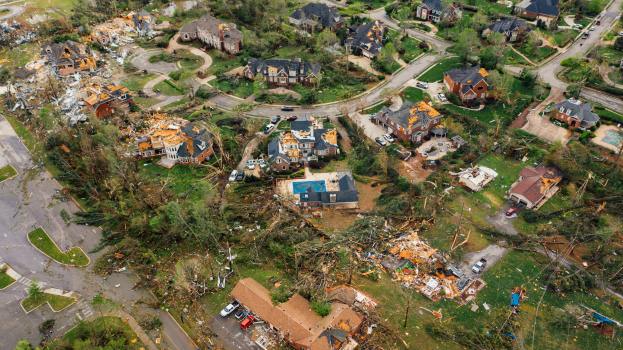
With hurricane season upon us in the eastern and southern United States and wildfires burning throughout the western states, the probability of evacuations in some areas is almost guaranteed. Don’t think, however, that we who aren’t on the coast or surrounded by dry forests or grasslands are immune to potential evacuations. Many other issues can force evacuations. Consider a train derailment with cars carrying some form of hazardous gas such as chlorine. What about a radiation leak from either a nuclear power plant, or radioactive material in transport? If we live near a road, railroad, or navigable body of water, we are subject to chemical exposure in the event of an accident. Another cause for evacuation is some form of civil unrest. While I have no objection to standing my ground, some times we have to realize that simple probability tells us that standing alone against an angry mob laying siege to our home is suicide and serves no purpose. We should all consider the possibility of an evacuation.

Why Should I Have An Evacuation Plan?

Evacuations are very similar to Bug Out situations with the exception that we often have a little more time to evacuate if we stay aware of the news and other surrounding factors. I mentioned this idea in my post on situational awareness that can be found here. Usually the cues are listed on the news and weather programs and can be readily heeded if we have a plan in place. Other times we need to have keen senses about the changes we see around us, both physical and societal.

Having a tested Evacuation Plan is much like trying our bug out bags on an overnight trip. We can adjust things based on the actual feedback we get from trying our our plans. Having an evacuation vehicle set up only to realize its impossible to load everything because of space or getting everything loaded and realizing that, while it fits, the weight of the load makes traveling unsafe is not what we want to learn with a wildfire bearing down on our home.

Evacuation Planning Considerations

Ideally, we could take everything we wanted to protect with us, however this is impossible. The good news is that there are more ways now than ever to help limit our loss should disaster strike while we are evacuated. The following are some items and ideas to consider for a solid evacuation plan. Take a look at my video below for a quick rundown of some of my personal thoughts on evacuation.

Evacuation Vehicle

If you have ever seen the movie “Dante’s Peak” with Pierce Brosnan, you likely remember the jacked up Chevy Suburban 4X4 that they forded the river in to escape the volcano. When bug out or evacuation vehicles come to mind, that one seems like it would be the best choice for the job but reliability and room are some of the key items we need to look for. Utilizing every driver in the family or group in a separate vehicle is a possibility to move as much to safety as possible, however, remember that the more vehicles we take, the more fuel expense we will incur. Another consideration no matter the vehicle or vehicles we chose, we will have to park them somewhere and hotels, motels, and any other place you might stop for a rest will be full of other evacuees as well. I have a few Ideas that might help simplify the process. You can also see some everyday vehicle preparedness ideas in my blog post here.

RV’s For Evacuation

While it might not be cost effective to purchase a recreational vehicle just for evacuation purposes, many of us have or have had some sort of travel trailer or motorhome. With careful planning, these can be very effective vehicles to use in an evacuation because you can use the space for both storage as well as temporary shelter when you are away. Packing the vehicle with items we want to evacuate with may crowd the interior, but we can usually find some other method of storage once we reach a safe destination for the bulk of the belongings. A mini storage unit or one of the portable sheds that can be delivered can house a lot of things while we use the RV for a place to live and the cost of a storage unit vs. the price of lodging in a motel is an amazing difference.

Enclosed Trailers For Evacuation

Much like a recreational vehicle, these trailers are enclosed from the weather and can be towed behind one of the family vehicles, however they aren’t set up to be used as shelter even though it’s still better than being out in the weather if you have to stay in it. The added benefit to enclosed cargo trailers is that we have open space and no furnishings to weave things into. These trailers are also much less expensive than an RV so keeping one on hand and maintained for emergency evacuation is much more financially feasible if you have no plans to use an RV for recreation.

One item of concern for any vehicle evacuation setup is making sure we can fit what we need to in the allotted space. It pays to do a test run whenever we have time and aren’t rushed to determine the best layout of the items in the vehicle. Once that is determined, we need to take several photos or draw a diagram of the layers of packing so we don’t have to try and remember the layout in a rush.

Using quality tarps and straps, we can make an open utility trailer fairly weather resistant, however its much more difficult to prevent theft. Click on the items below to take a closer look and see if you can use them to help you:

Evacuation Vehicle Safety

In an emergency, its easy to ignore safety, however when it comes to vehicles, we cant afford to overlook safe loading and handling. Just because we have cubic feet or inches to spare in a vehicle or trailer doesn’t mean we can fill it full of more things. loading back seats to the roof can lead to objects becoming projectiles in a hard stop or collision. Improperly loaded pickups, suv’s, and trailers can cause poor handling and lead to dangerous conditions on the road. The more things we want to evacuate with, the larger vehicle we will need to haul it safely.

Replacing Items Left Behind in an Evacuation

Most of us who have a permanent residence almost always collect much more stuff than we could ever move in one trip and likely wouldn’t have enough time to load it if we had the transportation available. With this in mind, it’s time for us to consider what we really must take with us and save vs. what has no sentimental value and we are willing to replace if it is destroyed. It is a personal decision and one that should be made as a household or family and we should consider how to transport and store anything we refuse to leave well ahead of time.

Photographing Belongings For Insurance Purposes

We live in an instant photograph age and have phones with cameras on them better than the ones used professionally by photographers fifteen years ago. With the help of this technology, we can catalog our belongings as proof to insurance companies if they are damaged while we are evacuated. A conversation with your insurance agent as to your policy limits is also important to consider when preparing for a potential loss.

Anther benefit of the digital age, as it pertains to evacuation and bugging out, is the availability of digital storage. We can scan thousands of pages of documents and photos to a single flash or thumb drive. Planning ahead and taking a few hours to scan and save our documents and photographs digitally can make them much less likely to be lost permanently in a fire or disaster. We should update and review these files on a regular basis and keep a copy of the files on a drive stored in the cloud or at another location such as a safe deposit box so we have a backup to our backup. Grab a multi pack of these by clicking the picture below:

Final Thoughts on Evacuation Prepping

Leaving our homes in an emergency is usually a trying and uncertain task, but some effort on our part before hand can limit the stress and potential loss involved. As with all other parts of prepping, this takes some planning and practice. Carving out a few hours to review and plan can make a difficult situation much more palatable if we ever find ourselves in one.

Disclosure: I am an Amazon affiliate and make money on qualifying purchases.
What Kinds of Food Should I Store For a Disaster?

Emergency Preparedness Food

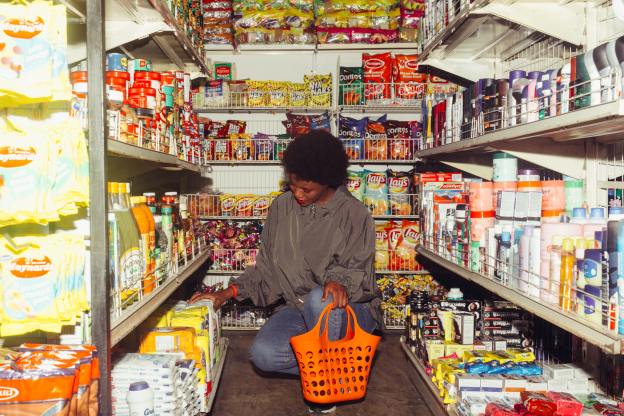
Here in the southern United States, we have our quirks. One humorous stereotype that we seem to prove true time after time is the mad rush on milk and bread every time the weather man threatens ice or snow. While I think its fair to say that the charcoal and meat sections get some attention as well as the beer cooler, you can always tell the gravity of the snow and ice predictions by the shelves in the bread and dairy isles. Another example of a product shortage recently occurred and was not limited to any one area of the nation. As the concern about COVID-19 reached a feverish level, the most primal behavior came out in many people over toilet paper. While I have yet to hear of any side effect of the virus causing such a tremendous need for toilet paper, we can see just how easily supplies can be wiped out over the most unfounded panics. With that in mind, consider the situation we might face after a major disaster or disruption. Some consideration to how food gets to your local supermarket or Walmart can help you understand how a disruption in supply is caused by just a weather report. Imagine the difficulty of getting stores supplied during or after a disaster, especially with major power outages or road closures. This is just one part of basic preparedness. You can read more about the basics on my post here.

Now that we have considered how easily we can disrupt the food supply, we also need to consider how long it will be before the stores will reopen and/or be restocked. This adds to the concerns for preparedness. The amount of stored food we have as well as the shelf life and storage needs can make the difference between running low and being relatively comfortable in a situation.

A friend of mine in central Mississippi noted that for the first several days after Hurricane Katrina passed through, everyone in many areas had gone through all of their frozen foods because they had no power to keep them frozen. We need to make sure we consider storage requirements when we plan for food preps. I’ll add other posts on potential refrigeration means in a power outage later on.

Best Emergency Preparedness Foods

As we get started thinking and studying about prepping our pantries, many of us get caught up in the “survival food” groove. By this I mean the tendency to stock up on all the latest M.R.E. meals or learn how to make our own pemmican and hard tack. Those are longer term skills and may become useful at some point, however as new and busy preppers, we can focus our efforts on food that is less labor intensive to produce, store and prepare. If you are interested in some of the old ways people prepared and stored food, you can join my email list and get a great offer on a good book called The Lost Ways by clicking the picture below.

What Are The Easiest To Store Prepper Foods?

In my attempt to learn and share the basics of preparing on this blog, I like to start out with the simplest options for all of us to start. I think the following food preps are some of the fastest and most practical for most of us who don’t have the time and money to invest in the home made methods right now.

Canned Food: From the early 1800’s we can trace the canning of foods to prevent spoilage. The original canning process used glass bottles or jars and is still in use today. My parents, who grew up on farms and now hobby farm in retirement, just completed canning of this year’s crops just in time for the last jars from last year to be used up. Canning our own foods can be rewarding, but it is time consuming. The commercially canned foods that are available at the local supermarkets are a great prepping alternative. They are well packaged and usually have some added preservatives to help their shelf lives run longer with less concern for spoilage.

Some canned food examples to keep on hand are:

Canned vegatables

Canned Fruits

Canned Soups

Jars of Peanut Butter

Jars off Spaghetti Sauce

Even Canned Bread!

Dry Foods: Many dry foods are available for long term storage. We can purchase and store dry ingredients such as flour, sugar, salt, sugar, and cornmeal, however preparing meals from scratch takes time and effort we might not want to deplete in a disaster scenario just to eat. Modern packaging and preservatives have made many foods available in a dry or dehydrated form that can last years in storage and be easily prepared with the addition of water and a few other ingredients. Many of these dry meal mixes are compatible with canned meats and produce to produce a filling and tasty meal without requiring much prep work or many appliances. Some good dry foods to have in stock are:

Dried Pasta

Powered Milk

Instant Grits/Cream of Wheat

Oats/Instant Oatmeal

Rice

Meal Kits (Tuna Helper, Hamburger Helper, Jambalaya, etc.)

Macaroni and Cheese

Ramen Noodles

Instant Coffee

Frozen Foods: I’ll do a post soon on ways to keep refrigerated food from spoiling in a power outage so, for the purposes of this post, we will consider for this article that we have plans to keep our frozen food from spoiling until we can use it up. Freezing is a great way to store cooked meals and casseroles for longer times than we can keep them in just a refrigerator. Another benefit of freezing is that we are able to keep uncooked meats and vegetables for longer periods of time as well. The main survival foods to consider for the freezer are meats, frozen meals and vegetables, many of which can be added to either canned or dry foods to add variety to the menu. Be prepared to prioritize and have some meal plans and recipes handy to make the best use of frozen food resources before they spoil.

Suppliments: In our hurried fast food culture we often lack the dietary benefits of eating enough fresh fruits and vegetables. This can be especially hard if we are forced to eat only the food we have stored so it is a good idea for us to have some nutritional supplements to add to our diet to maintain intestinal and overall health. Try using a mix like this to add to your diet.

How Long Will My Survival Food Last

While the shelf life of food varies, we do have the benefit of knowing the “best by” dates on the store-bought items we add to our prepper pantries. Foods that we freeze or can at home ourselves depend on the quality of our preparation to last so it is based heavily on our experience to determine the safe storage life of the food. With that in mind, we should have a plan to rotate our stock. FIFO is a manufacturing acronym that was created for logistics in warehouses and manufacturing plants and stands for “first in, first out.” This should apply to our pantry rotation as well. As we replenish products in storage, we should make sure that the older cans and boxes of the item in question are next in line to be used. There are ready made racks for cans that help with this as well as plans online to build a pantry system that helps us to rotate stock automatically. You can take a look at or purchase one below:

What Are The Top Food Considerations For Emergencies?

If we are storing food that we have to survive on for a potentially extended period and we know that we have to rotate this stock to keep the food fresh and safe, then It stands to reason that we should purchase food we would eat anyway. If I won’t normally eat English peas, then there’s no good reason to stock up on them for an emergency. Our pantry should be full of the goods we use regularly and we should use and replenish them constantly for inventory freshness. We should also consider the size of the cans and boxes of food we purchase. It’s tempting to run to Costco and purchase our vegetables and fruits in gallon cans because of the economy of bulk purchasing, however, without refrigeration, whatever is not consumed in a relatively short time will spoil and be wasted. Consider how many mouths you expect to feed in your most likely scenarios and buy in packaging that will fit the need per meal or day. The other considerations to pay attention to are food allergies and special nutritional requirements. Look closely at what you purchase to make sure its adequate nutritionally and non reactive to you and your family’s health.

Disclosure: I am an Amazon affiliate and make money on qualifying purchases.