Category Archives: Videos

Everyday Situational Awareness

Please Click to Join my Email List and Get a Great Offer on a Fantastic Book:

What is Situational Awareness

By simply defining the two terms, we can pretty much assume that situational awareness is simply being aware of your current situation. That is a correct observation, but only scratches the surface of what being aware of our surroundings really is and why it is of the utmost importance for our safety and well being. As creatures, we have evolved into a race of smartphone focused zombies in many ways. We often see videos of people walking down the street, looking at their phones, that walk into traffic or telephone poles. I would be willing to wager that ninety-nine plus percent of us have texted while driving or been otherwise preoccupied with something besides what we are doing. Even gathering in a group where there is a main focus, such as a concert or rally of some sort; takes our awareness of things around us. The things we don’t see can sometimes be a big problem. How many people would knowingly walk into the scene of a mass shooting just before it happens? Would anyone willingly stroll down the street knowing that they will get mugged or assaulted? How about wondering into a large group of people that you know is about to become a violent riot? The use of situational awareness can and does prevent us from from potential harm on a daily basis even if we don’t realize when we use it.

Is Situational Awareness Being Paranoid?

To be aware enough of your situation to avoid harm might seem a bit paranoid. Constantly looking all over the place for the least sign of a problem. Trying to have eyes in the back of your head. It sounds like a huge burden on the outset. That is, however, not the case. Like any undertaking, we must first be consciously alert to the skills and habits we need to develop. We have to almost exaggerate them and be somewhat focused on the new habit, but soon it will become second nature. Situational awareness in no way makes us omnipotent or able to literally have 360 degree vision. It also doesn’t have to consume us. With a little bit of effort, it becomes almost a subconscious radar for bad situations then alerts our conscious attention to whatever the cue is.

Developing Situational Awareness

There is no shortage of techniques available to sharpen your situational awareness, but many simple “games” can help you out tremendously. Make it a habit to know before someone is within 5 feet of you. To do this you have to be somewhat alert, but not necessarily scanning in a circle. Knowing where the entrances and exits of a room are can give you a lot less area to have to focus on. Glancing at mirrored surfaces, such as windows, glass matted pictures, and polished objects that we find all around us, are ways to be aware if you are being approached. Choosing a seat that gives you a view of the paths of ingress and egress are key to reducing the odds of being caught off guard. While this is very basic overview, I hope it gets everyone thinking about how close someone can be to them before they realize it.

Now that we are looking around we need to know what to look for. People constantly give off cues within their body language, tone of voice, and general demeanor. If you look back at my post about the “Gray Man”, you will find that these cues are often the opposite of someone who blends in. You can read that post here: https://nickspreparedness.com/2020/07/26/how-do-i-blend-in-with-the-crowd/

Taking notice of someone who looks or acts out of place in a situation should be a normal task that our minds alert us to. This does not mean to make assumptions about the person or group of people, however you simply become aware of their presence and that something doesn’t fit. The vast majority of the time, there will be a perfectly good explanation for the cue we notice and nothing to worry about, however, if they begin to act in a concerning or threatening manner, we won’t be caught off guard or have let them into our personal space without noticing.

Sometimes awareness is simply making a habit of paying attention to a few things that we might normally overlook. Did we glance in the back seat of the car before getting in it after being in the store? Have we glanced in our mirrors regularly while driving to notice if we are being followed home? Are there groups of people where there normally aren’t many folks congregated? Do we notice a large police or military presence all of the sudden? Any of these checks or cues can alert us to raise our level of vigilance from normal to alert and, in many cases, help us steer clear of potential problems.

For a short, practical, and almost brutally straightforward explanation of awareness and personal defense in general, I cannot think of a better book to recommend to anyone than Col. Jeff Cooper’s “Principles of Personal Defense”. You can find it here:

You won’t find a better baseline for personal defense and awareness than this book and the suggested books you find in the link can build on the basics Col. Cooper lays out. Things can turn bad quickly. Are you going to notice in time?

Watch my video about situational awareness in the car:

Disclosure: I am an Amazon affiliate and make money on qualifying purchases.
What Should I Have in My Bug Out Bag?

Please Click to Join my Email List and Get a Great Offer on a Fantastic Book:

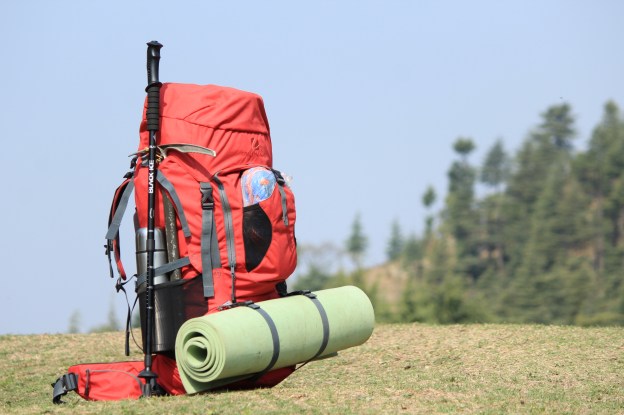
This subject is almost obligatory to all prepping and survival websites and blogs, so I will use this post to introduce those who may be new to the idea of “bug out” or “go” bags and offer my perspective on them. The key to remember, is that one size never fits all in prepping. There are very few absolutes and you have to adapt your preparation style to your specific circumstances and goals. As i write these posts and add videos to YouTube, I realize i may have to delve deeper in areas to flesh out the topics adequately and this will be no exception, so look for more information as we go.

What is a Bug Out Bag?

If there ever was a rabbit hole to go down as preppers or survivalists, this is it! For the firearms and self defense minded among us, it often becomes, at least partly, a weapons cache. For the backpackers, it sometimes becomes a camping/hiking bag, and for a lot of people, it becomes an “everything but the kitchen sink” bag. All of these things can be important, but not all are exactly what we need.

A Bug out bag means different things to different people. The idea of bugging out is that of vanishing from society for a period of time until what ever unrest has settled down enough to safetly return. For the vast majority of us, thats not a realistic option unless we have a place to go that’s already provisioned to some degree. It’s a common thought among the outdoorsmen that hunt and fish on the weekends that we’ll just camp and hunt as long as we have to and have it made. If we live in an area that we have to bug out from, you can bet every wooded area for miles will be full of armchair survivalists and there won’t be enought wildlife willing to show itself to feed even a fraction of the folks out there for any period of time. With that in mind, lets consider reality.

What Not to Put in Your Bug Out Bag

Depending on where you plan on bugging out to, you may have to carry your pack on foot for a substantial distance. There’s a saying among infantry fighters that “ounces make pounds and pounds make pain.” That comes from men and women in peak fitness who carry heavy packs daily. I don’t know about others here, but an honest assesment of my fitness tells me that I’m not going to get far with a heavy pack right now. With physical realities in mind, lets talk about what not to pack.

Guns and Ammo

One instant idea for those of us who fancy ourselves shooters is the extra ammo or guns we want to carry. Some people pack like they are taking on an entire regiment alone. First of all, bugging out means avoiding contact, not engaging with anyone unless you have no other choice. If you are alone, you have a very low survival chance in a prolonged gunfight. If there are enough people after you that you need hundreds of rounds of ammunition at all times, you are going to likely lose a quick war of attrition. Keep things simple. and extra magazine or two for your pistol and the same for your rifle is more than enough to add to what we allready should carry as our EDC.

Camping Gear

Surviving and camping go hand in hand, however, camping is something done usually as a hobby or part of a planned trip. While having a bug out plan is technically planning a trip, you never know when or how it will happen so keeping things basic is the best you can do. A full camping pack including stoves, camp food that you have to cook, and tents are all space taking items that add weight and bulk to your pack. Another place that you can cut bulk is tools. Having a camp axe or hatchet may be nice, but a good knife can cover most of the basics as you are on the move. Remember, having some place with provisions to bug out to is the key to making the choice to bug out or not. Don’t pack for setting up camp. Pack for getting to an established location in a reasonably short amount of time.

What Do I Need In My Bugout Bag?

Again, this is a basic article and your needs may require a measure of adaptation, but here goes. Start by taking a look at my YouTube video on my personal go bag:

Clothing

Make sure you have a change of clothes, preferably less visable colors to help blend in. You can become hypothermic in fairly warm weather if you get wet and can’t dry out, so dry clothes are a necessity. Socks and footwear can make or break any distance traveled on foot. I try to always have at least a pair of quality, broken in boots in my vehicle if not on my feet should the need arise to strike out on foot. Another helpful tip here is to plan for layers and look for double duty items such as a rainproof wind breaker that can keep you dry and warm. You can’t carry a huge wardrobe, but a change of clothes with layers and a rainsuit can make things much more comfortable than they could be otherwise. We should also consider sun protection as well. A brimmed hat and long sleeved shirts can be a savior from bad sunburns that can render us almost frozen in pain if they are severe enough.

Frogg Toggs Light Weight Packable Raingear:

Food

I posted earlier about MRE’s for survival food. While these are great for homes and vehicles, they take up a good bit of space. For bug out bags, we should consider even lower bulk, high calorie food sources such as energy bars or survival rations. Remember, the goal is to get to some stable location, not live long term out of a backpack that is light enough to walk with. I bought some of these bars and they are a great option for keeping up your energy on the move:

SOS Survival Rations:

Water Filters For Bugout Bags.

I try to always have a few bottles of water in my vehicle withing easy reach. I also try very hard to stay fully hydrated throughout the day so i don’t have to play catch up when my access to water may be limited. With that in mind, our bug out bags should contain some ammount of water in bottles or flasks. Because of the weight and bulk, its unlikely that we can carry enough with us for more than a day or so which makes having some form of purification important. Building fires and boiling water are not things we want to stop for if we have a destination to reach so a more instant approach is needed. Life straws are probably the most used and well known personal water filters availible and are used by hikers and survialists worldwide. I know I have linked to them before, but having clean water is crucial to survival:

Lifestraw Personal Water Filter:

Water is the essence of life. If you want to know more about how important it is, check out my post on Survival hydration https://nickspreparedness.com/2020/07/19/survival-hydration/

Medical Supplies for Bugout Bags

Basic first aid is always important. I use the IFAK that i carry as part of my edc to supliment my medical suplies in my bag. Beyond specific medicines we need based on our individual conditions, there are a few important items that we should consider putting in our packs. Anti diahreal medication, benadryl, and pain relievers are all very important as well as perscription pain medication if you have any. Remember to keep perscription medications in the original bottles. Having heavy duty pain meds can get help you get through some tough injuries long enough to get to help.

Another item that I found at another blog, is moleskin. It’s an adhesive padding that you can add to your heals or other areas that blisters occur when walking to help prevent them from forming. Once your feet quit, you quit!

General Gear

Theres no way to understate the importance of a knife. We should all have at least one in our EDC gear. Adding a larger knife to our packs is a reasonable plan and gives us more utility. A roll of Duct Tape and a 50 or 100 foot length of 550 para-cord are almost always advisable to have on hand as well. There is almost no limit to the uses that these items have.

If you don’t already have a good multi tool, take a look at this one:

Leatherman Rebar Multitool:

Final Thoughts on Bugout Bags

This is just a basic introduction to the bug out bag idea. I have some bags to review soon and I’ll be making a video which I will add here ASAP showing my personal Bug out/Go bag.

Disclosure: I am an Amazon affiliate and make money on qualifying purchases.